


Why Clear Dress Codes Matter in 2025, According to Viral TikToks
Several TikToks have gone viral showing employees being called into HR because their outfits were labelled “distracting.” In one, coworkers said the employee was “begging for attention.” In another, a staff member filmed herself being told her outfit was not “professional.” Across these videos, similar stories repeat.
The issue isn’t just whether each outfit was right or wrong. It’s the ambiguity behind what counts as “right,” leading to HR meetings that later explode online.
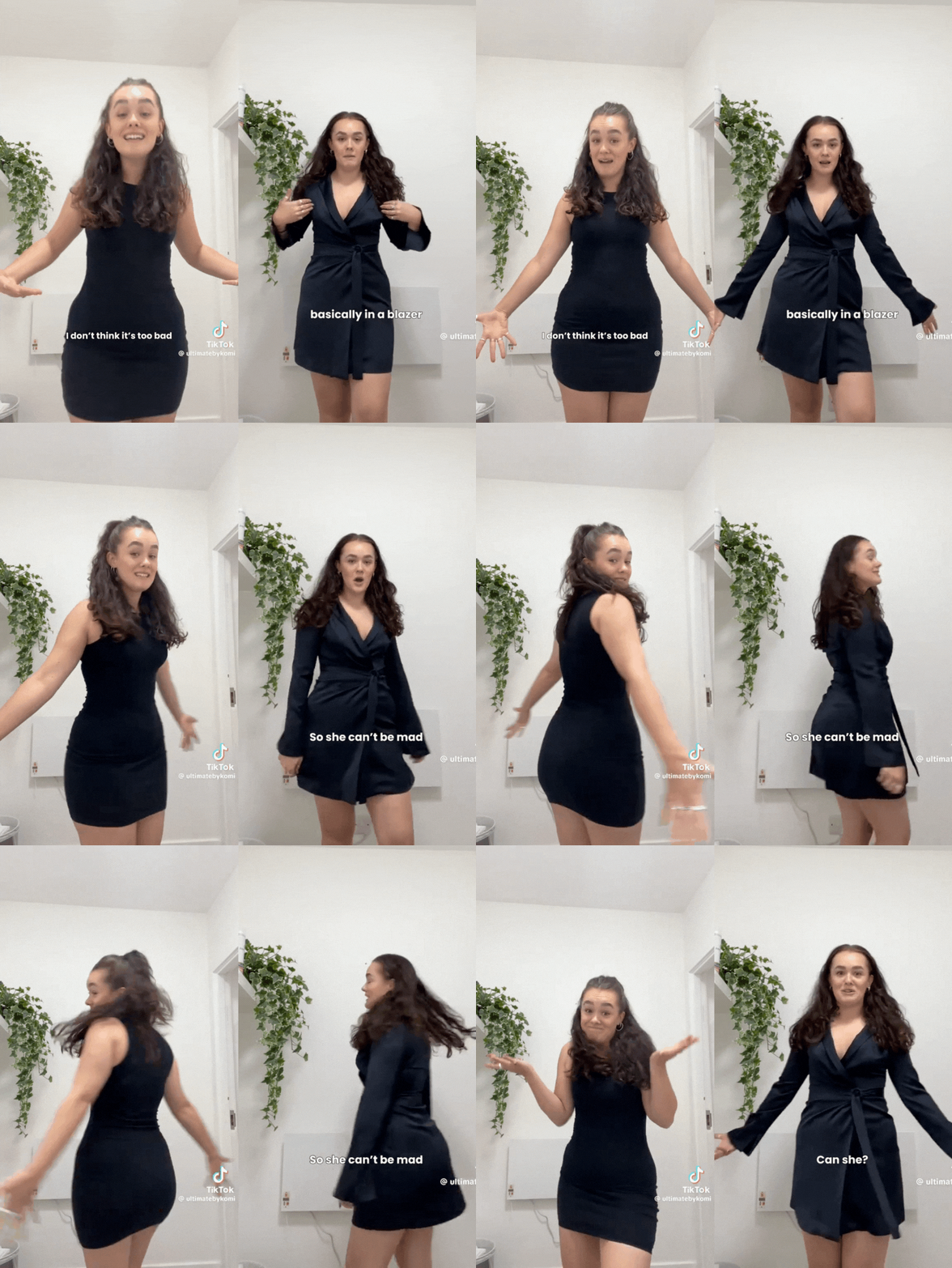
The outfits the employee believed were office appropriate and still received an HR complaint. See full video here.
The problem with subjective standards like “professional” or “distracting”
Many workplaces use vague phrases like “business casual” or “appropriate attire.” On paper they sound clear, but in practice, different people interpret them very differently.
One person might see a bodycon dress as stylish; another sees it as a night-out look. One manager allows clean sneakers; another deems them unprofessional. It’s not just women: men too can cross the line into overly casual or revealing clothing.
When a dress code is unclear, enforcement gets uneven, confusion grows, frustration mounts and HR gets dragged in for issues that should’ve been prevented.
Bias creeps in when the policy is unclear, even when HR means well
Vague policies force HR and managers to interpret what’s acceptable and that is influenced by personal values, generational differences, cultural norms or assumptions about intent.
This can lead to two employees in similar outfits getting very different feedback. Employees notice when treatment is inconsistent, and trust starts to erode.
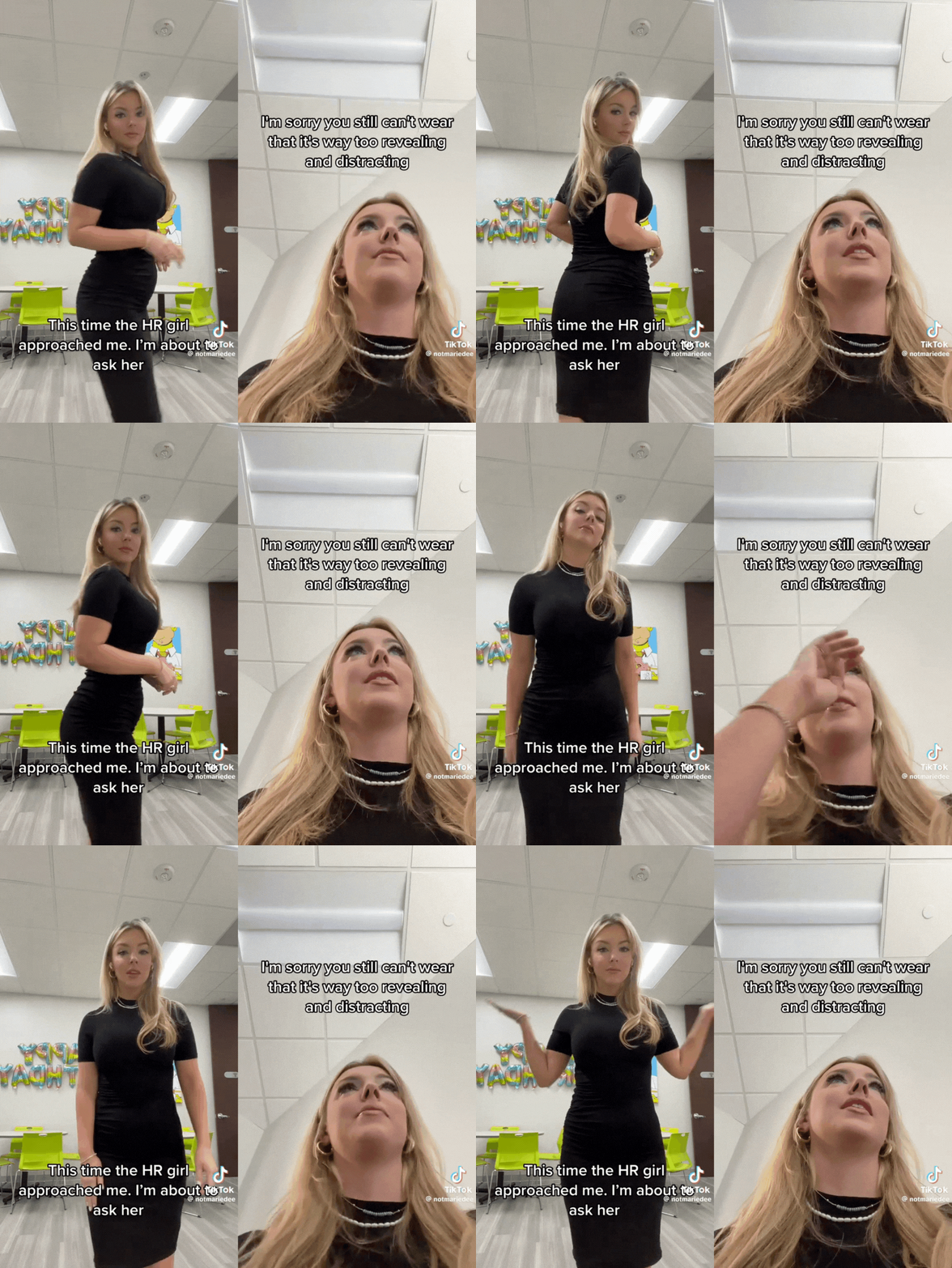
The outfit HR told her was “too revealing and distracting.” See full video here.
Why these Videos blew up
People react strongly to these videos because every situation lives in a grey zone.
No one knows the rules.
Employees make comments anyway.
HR intervenes without a clear standard.
Employees feel blindsided or singled out.
Then the entire scenario plays out online for millions of viewers.
In short, it is the perfect example of what happens when expectations are not documented or communicated.
A clear dress code prevents situations like this for both men and women
A good workplace dress code is not about policing style. It is about ensuring that everyone understands the expectations. A strong policy should:
- clearly define the standard for your environment
- include examples of appropriate and inappropriate attire
- apply equally across genders
- reflect the culture and brand of the company
- give managers something objective to point to
This helps prevent embarrassment, unfair comparisons, unnecessary HR meetings, and viral TikToks that could have been avoided.
Examples of guidelines that would have prevented these situations
Below are examples of simple, specific statements that would have eliminated the ambiguity seen in the viral video. These are not full policies. They are the type of clear expectations that keep HR issues from exploding on social media.
Examples:
- Clothing must be professional and suitable for an office setting. Outfits that are tight, short, low cut or designed for evening or social settings are not permitted.
- Attire should be appropriate for customers and other stakeholders when meeting with them, even if internal policy is more loose
- Dresses, skirts, and shorts must fall at least mid thigh when standing and should not ride up significantly when sitting.
- Tops must fully cover the chest, stomach, shoulders, and back. Clothing that is sheer, low cut or designed to reveal undergarments is not appropriate.
- Clothing should fit comfortably and not be excessively form fitting on any gender.
- Jeans may be worn if they are clean, dark or neutral in tone, and free of rips or heavy distressing.
- Clothing typically associated with nightclub wear, gym wear or restaurant server attire is not suitable for the workplace.
- If employees are unsure about an outfit, they are encouraged to ask their manager or HR before wearing it to work.
Clear, neutral, and gender balanced expectations like these give employees confidence and give managers a fair, consistent standard to refer to.
How ConnectsUs Can Help
We see this problem constantly in small and growing businesses. The conflict is rarely about the clothing itself. It is about clarity. Employees want to understand the expectations. Managers want to know how to address concerns without creating conflict. Owners want to stay compliant and avoid issues that take time away from running the business.
DIY
Our Employee Handbook Builder includes a modern dress code section that is clear, customizable, and written for real workplaces. It gives you a solid starting point and the ability to tailor the policy to your culture without having to write it from scratch.
HR Services
If your company needs help drafting specific policies, updating your handbook, or getting guidance on how to apply and enforce expectations consistently, ConnectsUs can help. We provide practical HR consulting, project support, and bundled services for small businesses that want expert advice without hiring a full-time HR person. Our team helps you put policies into practice and gives your leaders the confidence to address issues the right way.
Bottom Line
Workplaces evolve. Fashion evolves. Expectations shift.
Policies need to keep up.
When standards are not spelled out, people fill in the gaps with their own assumptions, and conflict is almost guaranteed. A clear dress code sets the foundation for fairness, consistency and confidence for both employees and managers.
Melina Laird is Operations Coordinator for ConnectsUs HR, a company that provides tools & resources to quickly set up a Human Resources department. You can contact her here.

